

Unpermitted work does not resolve itself. It waits.
It surfaces when you sell. When you refinance. When an appraiser measures the house, and the number doesn’t match the record. When a city inspector notices that what’s standing on the lot isn’t what the file says should be there.
Owners usually arrive at that moment expecting the worst. In our experience at Design 1 Studio, the practical position is better than they assume. Most unpermitted work in Los Angeles County can be legalized. The process is defined, the path is well established, and the outcome is usually a permit rather than a demolition order.
What it isn’t is automatic. Legalization requires documenting what actually exists, evaluating it against current requirements, and carrying an application through permit and inspection. That takes real work.
But it’s work with a known endpoint, which is more than can be said for leaving it alone and hoping the question never gets asked.
What Counts as Unpermitted Work
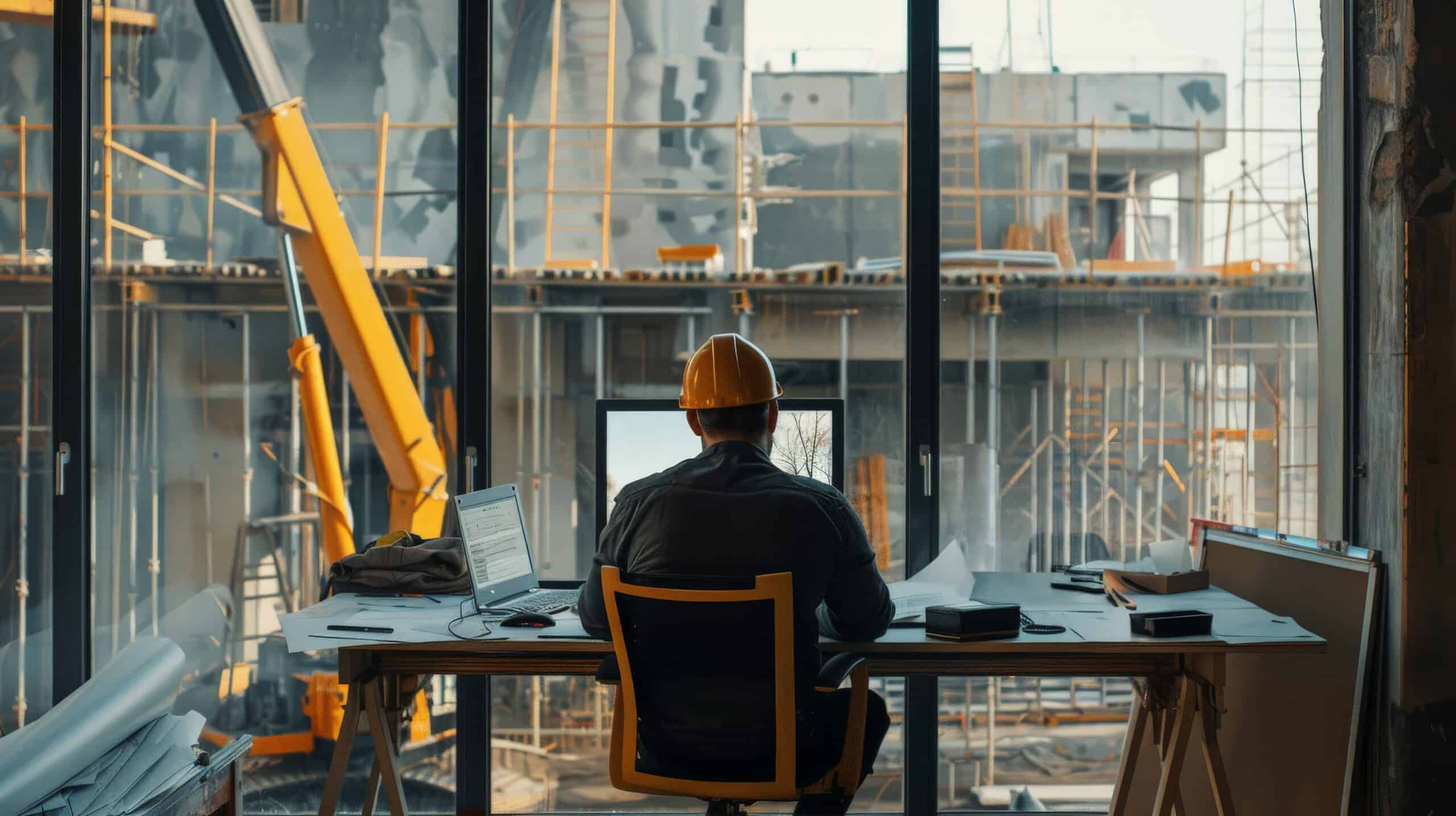
Unpermitted work is construction completed without a building permit. In LA County it commonly takes these forms:
- Additions to the house built without a permit
- Garage conversions to habitable space
- Enclosed porches and patios
- Converted attic or basement space
- Second dwelling units built outside the permitting process
- Structural, electrical, or plumbing alterations performed without inspection
Unpermitted does not automatically mean unsafe or poorly built. Some unpermitted additions are well constructed and would meet code with minimal modification. Others carry structural, electrical, or plumbing deficiencies. The only way to know is evaluation against current code requirements.
What unpermitted work always means is a legal and financial liability. It affects property value, insurability, and the ability to sell or refinance.
The Legalization Process
Step One: As-Built Documentation
Someone has to document what actually exists. We survey the existing construction and prepare as-built drawings recording dimensions, materials, structural conditions, and electrical and plumbing configurations.
This step gets underestimated constantly. Unpermitted construction usually departs from any drawing that was ever produced — often from any drawing that ever existed. Assumptions carried forward from here become errors that surface at plan check, months later, at the worst possible time.
We measure. We don’t assume.
Step Two: Code Compliance Analysis
We evaluate those as-built conditions against current building code, zoning requirements, and local jurisdiction standards. The analysis sorts everything into three buckets: what complies, what doesn’t, and what has to change.
Zoning belongs in this step, and owners often don’t expect it. An addition can be built well, meet every structural requirement, and still sit inside a required setback. Or exceed the allowable floor area for the lot. Or break a height limit.
Those are land use problems, not construction defects, and they get resolved differently. Sometimes they’re the harder half of the project.
Step Three: Plan Preparation
We prepare plans documenting existing conditions and specifying the modifications required for compliance, then submit them to the building department as a permit application to legalize the work.
Step Four: Permit and Inspection
The building department reviews the plans and issues a permit. Inspections verify the work meets code. Required modifications get completed and re-inspected until it passes.
One thing to expect: inspecting existing construction sometimes means opening walls or ceilings. An inspector can’t sign off on framing, wiring, or plumbing they can’t see. Plan for it rather than being surprised by it halfway through.
The ADU Pathway
If the unpermitted work is a second dwelling unit, a separate and often more favorable path may apply.
California’s Assembly Bill 2533, effective January 1, 2025, expands the state’s amnesty framework for unpermitted ADUs and JADUs built before January 1, 2020. It requires jurisdictions to provide a legalization process, prohibits denial based solely on code violations absent a genuine health or safety risk, and applies habitability standards rather than full current-code retrofit requirements. The categorical disqualifier is classification as substandard under Health and Safety Code Section 17920.3.
The City of Los Angeles operates AB 2533 alongside its Unpermitted Dwelling Unit Ordinance, Ordinance 184,907, effective 2017, which requires legalized units under that local pathway to provide at least one low or moderate income unit per UDU. LADBS accepts AB 2533 applications without that covenant.
Determining which pathway applies to a specific unit is part of the analysis, and it materially affects what the owner is obligated to provide.
Questions Owners Ask
Will the city penalize me? In most cases the building department’s primary interest is bringing the work into compliance rather than penalizing the owner. There may be fees, and some jurisdictions assess double permit fees for unpermitted work. The process is designed to resolve the issue. Verify current fee policy with your jurisdiction.
Does everything need to be demolished? No. Demolition is typically a last resort, required only when the work fundamentally cannot meet code. Most unpermitted work can be legalized with modifications ranging from minor to moderate.
What if the previous owner did the work? The current property owner is responsible regardless of who performed it. Purchasing a property with unpermitted additions transfers the obligation.
Can I sell without addressing it? Disclosure obligations apply in California real estate transactions. Unpermitted work is increasingly flagged by assessors, appraisers, and buyers’ agents, and it affects financing and negotiation.
How long does it take? It depends on the scope of the work, the modifications required, the jurisdiction, and the correction rounds at plan check. A firm answer requires evaluating the specific property.
Why This Is Worth Doing Before You Have To

Owners who start legalization on their own timeline have options that owners in an active transaction do not. There is time to evaluate, to sequence modifications, and to work through plan check without a closing date applying pressure.
Owners who discover unpermitted work thirty days before a sale closes are managing the same process under conditions that remove most of the flexibility.
How Design 1 Studio Handles This Work
We’ve prepared as-built documentation, code compliance analysis, and legalization plans on properties across Los Angeles County over the past decade. More than 1,500 projects total, and we’ve submitted to virtually every building department in the county — LADBS, the San Gabriel Valley cities, South Bay and coastal jurisdictions, the Westside, and unincorporated LA County including Altadena and Hacienda Heights.
That range matters more on legalization work than most owners expect. Every jurisdiction handles unpermitted construction differently — what they’ll accept as as-built documentation, how they treat fees, which department signs off first. A process that works in Alhambra isn’t the process in Santa Monica.
What you get from us is an honest read. What the existing work actually is. What it takes to legalize it. Whether the path is workable at all.
Where a structure can’t reach compliance, we say so. That’s not a pleasant conversation, but it’s a cheaper one than the alternative.
Conclusion
To bring unpermitted work up to code, you document what exists, evaluate it against current requirements, prepare plans specifying the modifications needed, and carry the application through permit and inspection. If the work is a pre-2020 second unit, the AB 2533 amnesty framework may apply and change the requirements meaningfully.
The problem does not improve by waiting. It becomes more urgent when a transaction is pending.
Carrying unpermitted work on a Los Angeles County property? Design 1 Studio Inc. provides a free initial consultation covering existing conditions, applicable pathways, and a realistic assessment of the work required. Call +1 626-214-8651.